Posted on August 3, 2025

At Lustig & Young Orthodontics, many patients come to us unsure about the difference between a deep bite vs overbite. The two terms are often used interchangeably, but they actually describe different bite conditions that can affect your smile, comfort, and long-term oral health.
If you’ve ever noticed that your top teeth overlap your bottom teeth more than usual, or you’ve been told you have one of these bite issues, this guide will help you understand what they mean—and how orthodontic treatment can correct them.
An overbite is a type of malocclusion where the upper front teeth vertically overlap the lower front teeth. A slight overbite is completely normal and necessary for proper function. Most people have an overbite of about 2–4 millimeters, which allows for an even bite and a natural appearance.
However, when the overlap is too large—covering more than 30% of the lower teeth, it becomes excessive. This can lead to problems such as uneven wear, gum irritation, or even jaw discomfort.
A deep bite, sometimes called a deep overbite, is a more severe form of overbite. In this case, the upper front teeth overlap the lower front teeth so much that the lower teeth may touch the gum tissue or roof of the mouth.
You might have a deep bite if you notice:
A deep bite can cause both aesthetic and functional issues, making treatment important not just for appearance, but for long-term oral health.
When comparing a deep bite vs overbite, a deep bite is generally considered more serious. While a mild overbite is normal, a deep bite can lead to a variety of complications, such as:
While an overbite can often be managed with minor orthodontic treatment, a deep bite usually requires correction to prevent long-term damage.
Yes. Correcting a deep bite isn’t just about aesthetics—it’s about protecting your teeth, gums, and jaw. Treatment helps:
At Lustig & Young Orthodontics, we often recommend treating deep bites early, especially in children and teens, to prevent future dental issues and support healthy jaw development.
The best treatment for your bite depends on your age, the severity of the overlap, and your overall dental health. Here are some of the most common solutions we offer:
Traditional braces are one of the most effective treatments for correcting both deep bites and overbites. They gradually move teeth into better alignment using steady, gentle pressure.
For deep bites, we may use techniques such as:
For mild to moderate bite issues, clear aligners (like Invisalign®) are a great option. They are removable, nearly invisible, and custom-made to guide your teeth into alignment. Aligners can correct an overbite and, in some cases, mild deep bites with consistent wear.
For younger patients, functional appliances help guide jaw growth and muscle development to correct the bite before it becomes more severe. Early intervention can often reduce the need for complex treatment later.
If overcrowding contributes to the deep bite or overbite, selective extractions may be recommended to create space for proper alignment.
In rare, severe cases—often involving jaw misalignment—jaw surgery (orthognathic surgery) may be required. This is typically combined with orthodontic treatment to achieve the best functional and aesthetic result.
Every patient’s bite is unique, so treatment should be, too. At Lustig & Young Orthodontics, we take a personalized approach to care.
Here’s what you can expect:
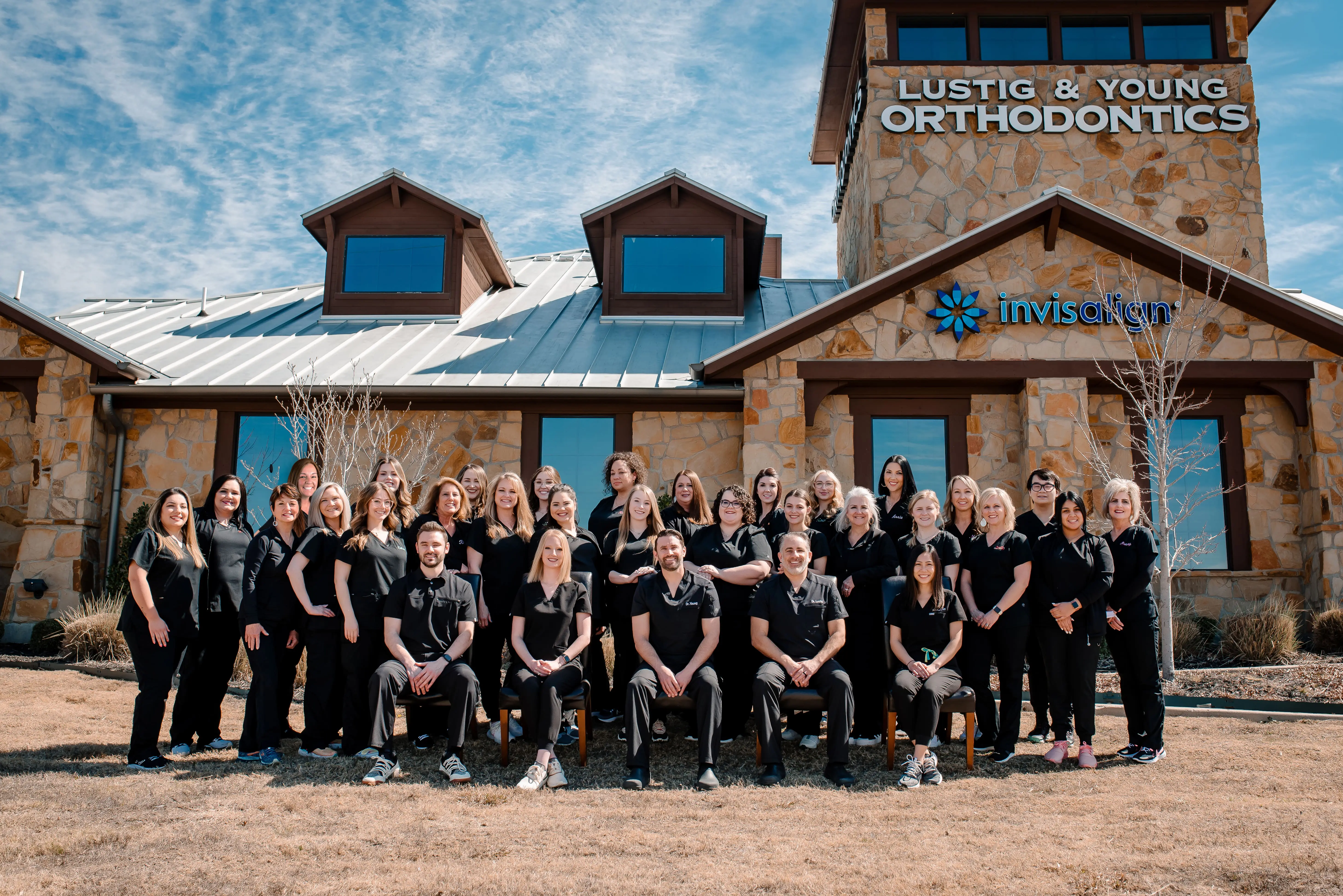
With locations in Fort Worth, Saginaw, Haslet, and Azle, TX, Lustig & Young Orthodontics offers expert orthodontic care with a personal touch. Our team has years of experience treating all types of bite issues, including deep bites, overbites, and crossbites.
We use advanced technology for precise diagnosis and efficient treatment. Our offices are designed for comfort and convenience, and we offer flexible payment plans and insurance assistance to make care more affordable for every family.
If you’re concerned about a deep bite or overbite, early evaluation can make all the difference. The sooner treatment begins, the easier it is to correct and maintain long-term oral health.
Schedule your free consultation at Lustig & Young Orthodontics in Fort Worth, Saginaw, Haslet, or Azle. We’ll examine your bite, discuss your goals, and recommend the best treatment options to create a smile that looks and feels great.
A balanced, healthy bite doesn’t just improve your smile—it supports your overall well-being. Let our team help you achieve it.