
Posted on October 23, 2026
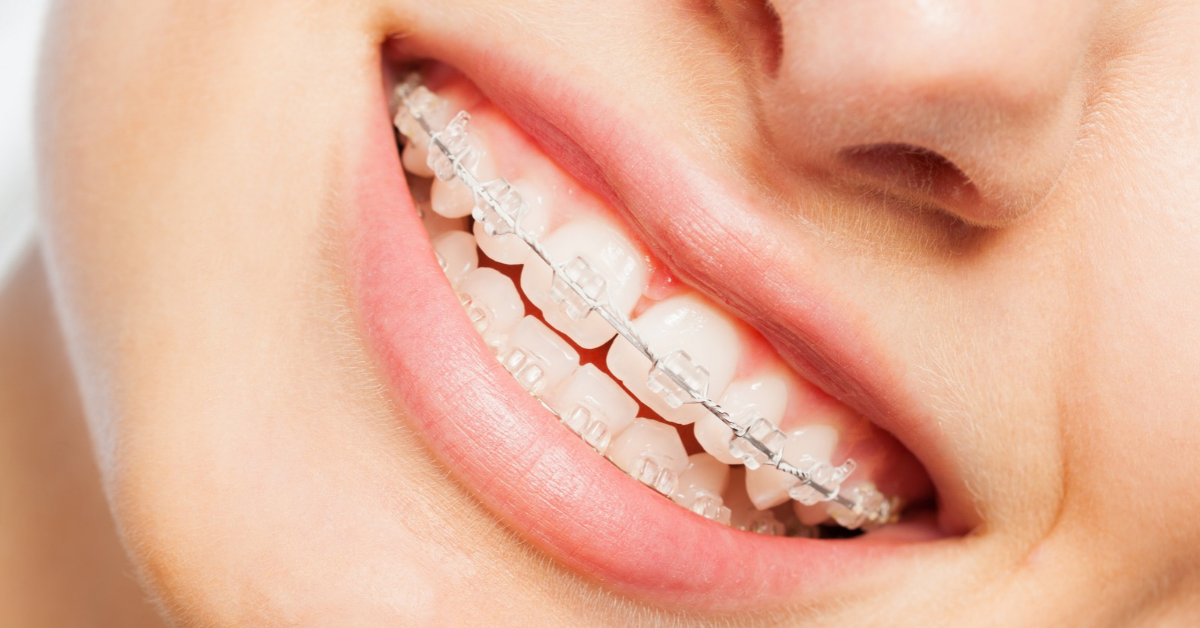
If you have braces or are thinking about getting them, you’ve probably noticed the thin wire running across your brackets. It may look like a small part of your braces, but it has a pretty important job!
That wire is called an archwire, and it’s one of the key components that helps move your teeth into their proper positions.
At Lustig & Young Orthodontics, we believe understanding how your braces work can make your treatment experience a whole lot easier. Whether you’re a parent preparing your child for braces, a teen getting ready for treatment, or an adult working toward a straighter smile, knowing what an archwire does can help you feel more confident about the process.
Let’s take a closer look at what archwires are, how they work, why they’re changed during treatment, and what to expect along the way.
An archwire is a thin, flexible metal wire that connects the brackets attached to your teeth. It runs along your upper or lower dental arch and helps guide your teeth into their planned positions.
Think of your brackets as the handles attached to each tooth and the archwire as the guide that helps direct their movement.
While brackets provide attachment points, the archwire delivers carefully controlled forces that encourage your teeth to move gradually over time.
Archwires are used in both traditional metal braces and ceramic braces. Although these braces may look different, they rely on the same basic principles to straighten teeth and improve bite alignment.
The size, shape, and material of your archwire can change throughout your orthodontic treatment, depending on how your teeth are responding and what movements are needed next.
Your teeth might seem firmly anchored in your jaw, but they’re actually capable of moving through a natural biological process.
Each tooth is surrounded by supporting tissues, including the periodontal ligament and jawbone. When an archwire applies gentle, consistent force to a tooth, these tissues respond.
Bone gradually remodels around the tooth, allowing it to shift toward its new position.
This process doesn’t happen overnight. Teeth need time to move safely, which is why orthodontic treatment typically takes months rather than days.
Brackets and archwires work together to produce controlled tooth movement.
Your orthodontist attaches brackets to your teeth and places an archwire through them. Depending on the type of braces, small elastic ties, metal ligatures, or built-in bracket clips hold the wire in place.
As the archwire works toward its intended shape, it applies forces to the brackets and teeth.
Over time, this can help:
Your orthodontist carefully selects and adjusts your archwires based on your individual treatment plan.
Not all archwires are the same! Different materials offer different levels of flexibility, stiffness, and control.
Your orthodontist may use several types throughout your braces treatment.
Nickel-titanium, often called NiTi, is commonly used during the early stages of braces treatment.
These wires are especially helpful because they’re flexible and can return toward their original shape after being bent.
When teeth are crowded or significantly out of alignment, a flexible archwire can engage the brackets while delivering relatively gentle forces.
This makes nickel-titanium wires useful for the initial alignment process.
As your teeth become straighter, your orthodontist may switch to stainless steel archwires.
Stainless steel is generally stiffer than nickel-titanium, allowing for more precise control of certain tooth movements.
These wires can be useful when your orthodontist needs to refine tooth positions, close spaces, or make specific bite corrections.
Beta-titanium wires, sometimes called TMA wires, offer a combination of flexibility and control.
They’re often used when an orthodontist needs to create particular bends or apply carefully controlled forces.
Not every patient needs every type of archwire. The material your orthodontist chooses depends on your teeth, your treatment goals, and your progress.
If you’ve already started braces treatment, you may have noticed that your orthodontist occasionally replaces your wire.
That’s because your teeth require different types of movement at different stages of treatment.
During your early appointments, the focus is often on aligning crooked teeth and reducing crowding. Flexible wires are frequently used during this stage.
As your teeth become straighter, your orthodontist may introduce larger or stiffer archwires to provide additional control.
Later in treatment, wire adjustments can help refine tooth positions and improve your bite.
Changing an archwire doesn’t necessarily mean your treatment is speeding up or slowing down. It simply means your orthodontist is adjusting the mechanics of your braces to support the next stage of your treatment.
At Lustig & Young Orthodontics, we create personalized treatment plans because every smile moves at its own pace.
This is one of the most common concerns patients have about braces adjustments.
The good news? Changing an archwire is generally a straightforward procedure, and many patients experience little discomfort during the appointment itself.
However, you may notice some soreness or pressure afterward, particularly if your orthodontist has introduced a different wire or made an adjustment.
This happens because your teeth and surrounding tissues are responding to the forces applied by your braces.
Mild tenderness typically improves within a few days.
If your teeth feel sensitive after an adjustment, a few simple steps may help.
Choose softer foods. Yogurt, scrambled eggs, pasta, smoothies, and mashed potatoes are easier to eat when your teeth feel tender.
Try a cold compress. Applying a cold compress to the outside of your cheek may help ease temporary discomfort.
Use orthodontic wax. If part of your wire or a bracket is irritating your cheek, orthodontic wax can create a protective barrier.
Keep brushing and flossing. Good oral hygiene is important throughout treatment, even when your teeth feel sensitive.
If needed, ask your orthodontic team about appropriate over-the-counter pain relief.
Discomfort should gradually improve. If you experience severe pain, worsening symptoms, or a wire that’s cutting into your cheek, contact your orthodontist for guidance.
Let’s face it. Accidents happen!
Maybe you bit into something a little too crunchy, or your archwire shifted and started poking your cheek.
A loose or broken archwire can be uncomfortable, but it doesn’t always mean you have a major orthodontic emergency.
The most important thing is knowing what to do next.
If your archwire is poking your cheek, try placing orthodontic wax over the irritating area to protect the soft tissue.
If the wire has slipped out of a bracket or become noticeably displaced, contact your orthodontist.
Avoid pulling on the wire, making significant adjustments yourself, or attempting to cut it without instructions from your orthodontic team.
At Lustig & Young Orthodontics, we’re here to help when unexpected braces problems come up. Don’t hesitate to reach out if something doesn’t feel right.
Taking care of your archwire is an important part of keeping your braces treatment on track.
Although orthodontic wires are designed to withstand normal daily activities, certain foods and habits can bend or damage them.
Hard foods such as ice, hard candy, and unpopped popcorn kernels can put unnecessary pressure on your braces.
Sticky foods may also pull on brackets or other components.
Instead, choose braces-friendly foods and cut firm fruits or vegetables into smaller pieces.
It’s also important to avoid chewing on pens, fingernails, or other objects that could damage your braces.
Remember to brush carefully around your brackets and archwire. An interdental brush or floss threader can help clean areas that are difficult to reach with a regular toothbrush.
Taking a little extra care each day can help prevent avoidable problems between appointments.
Archwires are changed according to your individual treatment needs. Some appointments involve replacing the wire, while others focus on checking progress or making smaller adjustments.
You won’t necessarily receive a new wire at every visit. Your orthodontist will determine when a different wire is needed.
Traditional braces rely on brackets and archwires working together. The brackets connect the wire to your teeth, allowing forces to be transferred in a controlled way.
An archwire alone cannot provide the same controlled tooth movement as a complete braces system.
As teeth move and spaces change, the position of your archwire relative to the brackets can shift. Sometimes this causes the end of the wire to extend farther behind the last bracket.
If the wire begins poking your cheek, use orthodontic wax for temporary relief and contact your orthodontist.
Not necessarily!
Thinner, more flexible wires are often helpful during initial alignment, while thicker or stiffer wires may be useful later when more control is needed.
The best archwire is the one that supports the specific stage of your treatment.
Yes! Ceramic braces use archwires just like traditional metal braces.
The main difference is that ceramic braces have clear or tooth-colored brackets, making them less noticeable.
Both treatment options use brackets and wires to gradually guide teeth into alignment.
An archwire might not look particularly impressive, but it plays an essential role in helping your braces do their job.
From the first stages of straightening crowded teeth to the final adjustments that refine your smile, your archwire works alongside your brackets to guide tooth movement throughout treatment.
And while braces involve some pretty interesting science, you don’t need to understand every technical detail to enjoy the results.
That’s what we’re here for!
At Lustig & Young Orthodontics, our team believes orthodontic treatment should be comfortable, personalized, and easy to understand. We take time to answer your questions, explain your options, and help you feel confident at every stage.
Whether you’re interested in traditional metal braces, ceramic braces, or Invisalign, we’ll help you find a treatment option that fits your smile, your lifestyle, and your budget.
With convenient offices serving Keller, Saginaw, Haslet, and Azle, TX, we’re proud to help children, teens, and adults throughout our North Texas communities achieve healthier, more confident smiles.
Ready to get started? Schedule your complimentary orthodontic consultation with Lustig & Young Orthodontics today. Let’s find out what we can do for your smile!