Posted on September 24, 2026
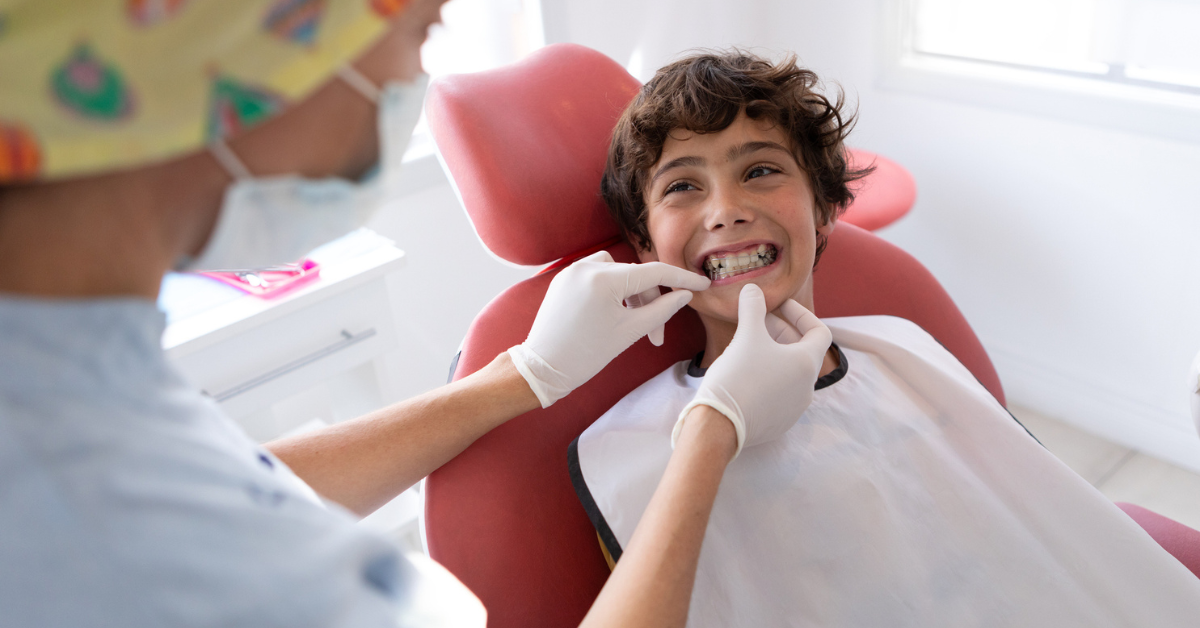
Many people feel surprised to know that crowding is not just a childhood problem. Even if your teeth looked fairly straight as a teenager—or had braces years ago—your lower front teeth can gradually grow more crowded over time.
That doesn’t mean you did anything wrong! Teeth and dental arches can change throughout life, and crowding may develop or worsen as the amount of available space in the arch decreases. A peer-reviewed study describes crowding as a mismatch between tooth size and the space available in the dental arch; it also notes that lower front teeth are especially likely to be affected and that crowding can increase over time.
At Lustig & Young Orthodontics, we help children, teens, and adults throughout Keller, Haslet, Saginaw, and Azle, Texas understand what is causing crowded teeth and find a treatment plan that works for their lifestyle, budget, and smile.
Teeth crowding occurs when there is not enough room in the dental arch for teeth to line up properly. Instead of sitting neatly side by side, teeth may overlap, rotate, twist, or erupt out of position.
Crowding can affect the upper arch, lower arch, or both. It is especially common in the lower front teeth, where even subtle changes in available space can cause teeth to overlap.
Some patients notice crowding as soon as permanent teeth come in. Others begin seeing changes later, such as a lower front tooth turning, overlapping, or becoming harder to floss around.
Crowding is common, but its cause is not always simple. It can reflect a combination of tooth size, jaw size, inherited traits, growth, eruption patterns, and tooth movement over time.
Common causes include:
One of the most common causes is a mismatch between the size of the teeth and the size of the dental arch. If the teeth are larger relative to the available arch space, they may overlap or rotate as they try to fit into position. This tendency often has a hereditary component.
Children’s jaws and teeth develop at different rates. Permanent teeth may be larger than the baby teeth they replace, and some children do not have enough space for all permanent teeth to erupt in an ideal position.
An orthodontist can identify whether a child has developing crowding, limited room for incoming permanent teeth, or a tooth that may become blocked from erupting.
Losing a baby tooth early because of decay, injury, or extraction can allow nearby teeth to drift into the open space. That may reduce the room available for a permanent tooth that has not yet erupted. The American Dental Association notes that early or late tooth loss can contribute to tooth and jaw alignment problems.
Sometimes a permanent tooth cannot erupt normally because of limited space, the angle of eruption, a neighboring tooth, or another obstruction. A tooth that doesn’t come in the way it should is known as impacted. The American Association of Orthodontists identifies crowding among common causes of impacted teeth.
Teeth are not permanently locked into place. As people grow and age, dental arches can change subtly and teeth can shift. Research has found that dental arch length tends to decrease with age and that this change is commonly associated with increased crowding of the lower front teeth.
This is one factor in the importance of retainers after braces or clear aligner treatment: they help maintain the positions achieved during orthodontic care.
Crowding can affect more than smile appearance. Overlapping or rotated teeth may create areas that are more difficult to brush and floss thoroughly, allowing plaque to collect more easily.
Depending on the severity and the patient’s bite, crowding may contribute to:
Braces and other orthodontic treatment can improve tooth alignment, which may make oral hygiene easier and support healthier function.
Not every case of crowding causes pain or serious health problems. However, an orthodontic evaluation can determine whether the crowding is mild, progressing, affecting the bite, or connected to a larger issue involving teeth or jaw development.
Yes, it can! Some crowded teeth remain relatively stable, while others shift gradually as the dental arches change, permanent teeth erupt, or nearby teeth move.
Crowding that begins in childhood may become more noticeable as adult teeth come in. In adults, lower front teeth may crowd gradually even after years of looking straight. This is particularly important for former orthodontic patients who no longer wear a retainer consistently.
The AAO identifies crowded, misplaced, and blocked-out teeth as common orthodontic concerns. An orthodontist can use a clinical examination and appropriate records to determine whether a tooth is likely to erupt normally, whether space should be preserved or created, and whether treatment is recommended now or later.
For children, an early orthodontic evaluation can be especially useful. The AAO recommends an orthodontic checkup no later than age 7, when an orthodontist can identify significant crowding, bite issues, jaw-development differences, or eruption concerns.
Orthodontists specialize in aligning teeth and improving how the upper and lower arches fit together. Treatment is not just about moving a visibly crooked tooth. It begins by understanding why the teeth do not have enough room and how the bite, jaw development, oral health, and long-term goals fit together.
At Lustig & Young Orthodontics, our orthodontic specialists evaluate the alignment of your teeth, your bite, tooth eruption, jaw relationships, and the space available in each dental arch. Then, we create a customized treatment plan based on your specific needs.
Depending on the patient, orthodontic treatment may help:
In growing children with certain concerns, an orthodontist may recommend early treatment to guide jaw development or make room for permanent teeth. In other cases, observation is the best choice until more permanent teeth erupt. The right timing depends on the individual—not simply a patient’s age.
Lustig & Young Orthodontics offers multiple orthodontic options to treat crowding. The best choice depends on the complexity of tooth movement, bite relationship, patient age, oral-health needs, and lifestyle.
Braces use brackets and wires to apply gentle, steady forces that guide teeth into healthier positions. They are a versatile and effective option for mild to complex crowding and can be used to address tooth alignment and bite concerns at the same time.
The AAO explains that braces use gentle, continuous pressure to move teeth gradually and can help improve oral function and hygiene by correcting overcrowding, misalignment, and bite problems.
Clear aligners use a series of custom-made, removable trays to gradually move teeth. They can be a convenient option for many teens and adults with crowding or other alignment concerns.
Because aligners must be worn as directed to work effectively, they may not be the ideal solution for every patient. During your consultation, our team will help you understand whether braces, clear aligners, or another approach best matches your smile goals.
For younger patients, treatment may focus on creating or preserving room for permanent teeth, monitoring eruption, or addressing a narrow upper arch. In selected cases, early orthodontic care can help reduce the severity of crowding or make later comprehensive treatment more efficient.
Orthodontic treatment can create a more aligned smile, but retention helps maintain it.
After braces or aligners, teeth naturally tend to move. A retainer helps keep teeth in their intended positions as the surrounding bone and tissues adapt—and helps protect your investment in your smile for the long term.
That is why it is important to follow your orthodontist’s retainer instructions and contact our team if a retainer cracks, stops fitting, or gets lost. Replacing a retainer early is typically simpler than correcting significant relapse later.
At Lustig & Young Orthodontics, we make crowded-teeth treatment personal. We do not believe in one-size-fits-all smiles.
During your free consultation, we will talk about your goals, daily routine, school or work schedule, sports, instruments, and the concerns you have about your smile. Then, our team will complete a detailed orthodontic evaluation and explain your options in clear, easy-to-understand terms.
We offer orthodontic care for children, teens, and adults, along with modern treatment options and a friendly team that wants each patient to feel comfortable from the first visit onward. With four convenient locations in Keller, Saginaw, Haslet, and Azle, getting expert orthodontic care close to home is simple.
We also offer flexible payment options, including low down payments, zero-financing options, and extended payment plans. Our team can help you understand your available options and find an approach that works with your budget.
Whether you are concerned about a child’s developing crowding, a teen’s overlapping teeth, or lower front teeth that seem to be shifting as an adult, it is never too early—or too late—to ask questions.
At Lustig & Young Orthodontics, our experienced orthodontic specialists are ready to help you understand what is causing the crowding and what can be done about it.
Contact Lustig & Young Orthodontics today to schedule your free consultation in Keller, Haslet, Saginaw, or Azle, Texas—and take the next step toward a healthier, more confident smile.